
Choosing the Right Steel Grade
Not all steel is the same. We explain stainless vs. mild steel, hardness ratings, and which grades work best for different applications.
Tolerance levels matter. We break down the difference between standard and tight tolerances, and when each makes sense for your project.
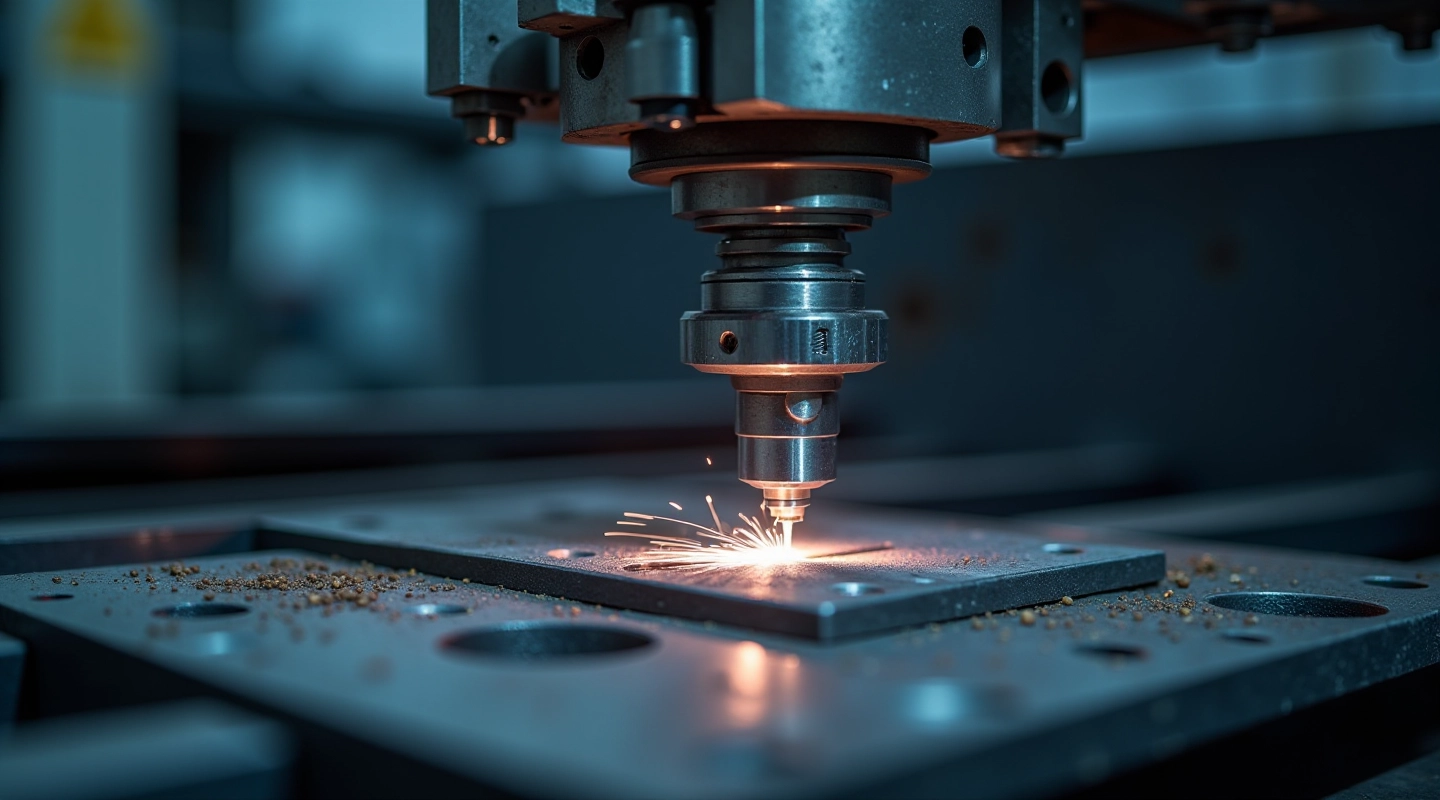
You've probably heard the term "tight tolerance" thrown around, but what does it really mean? Here's the thing — tolerances are the acceptable range of variation in a part's dimensions. They're not something to ignore. When you're ordering metal components, tolerances determine whether your part fits perfectly or needs rework.
Standard tolerances cost less because they're easier to achieve. Tight tolerances demand more precision, more time, and more careful setup. The question isn't whether you need tight tolerances — it's whether your specific application actually requires them. We'll walk through how to figure that out.
Moving from ±0.05" to ±0.01" tolerances can double your production time. You need to understand when that investment actually pays off.
Standard tolerances — typically ±0.05 inches or ±1.27 millimeters — work for most applications. Your parts fit together, assemblies go smoothly, and you're not paying extra for precision you don't need.
Tight tolerances — like ±0.01 inches or ±0.25 millimeters — are necessary when parts must interface precisely. Think of components that slide into housings or bearings that need exact clearance. But here's what matters: they take longer to produce.
This article provides general guidance on CNC tolerances for informational purposes. Actual tolerance requirements depend on your specific application, materials, and assembly requirements. We recommend consulting with an experienced machinist or engineer to determine the appropriate tolerances for your project.

Start with your functional requirements. Does the part need to fit with other components? How much clearance can you tolerate? These questions drive your tolerance decisions.
We typically recommend starting with standard tolerances unless your design explicitly requires tighter control. It's more economical, and if assembly tests show you need better precision, you can always order a second batch with tighter specs.
Define your assembly constraints
Test fit with prototype parts
Specify tolerances on production drawings
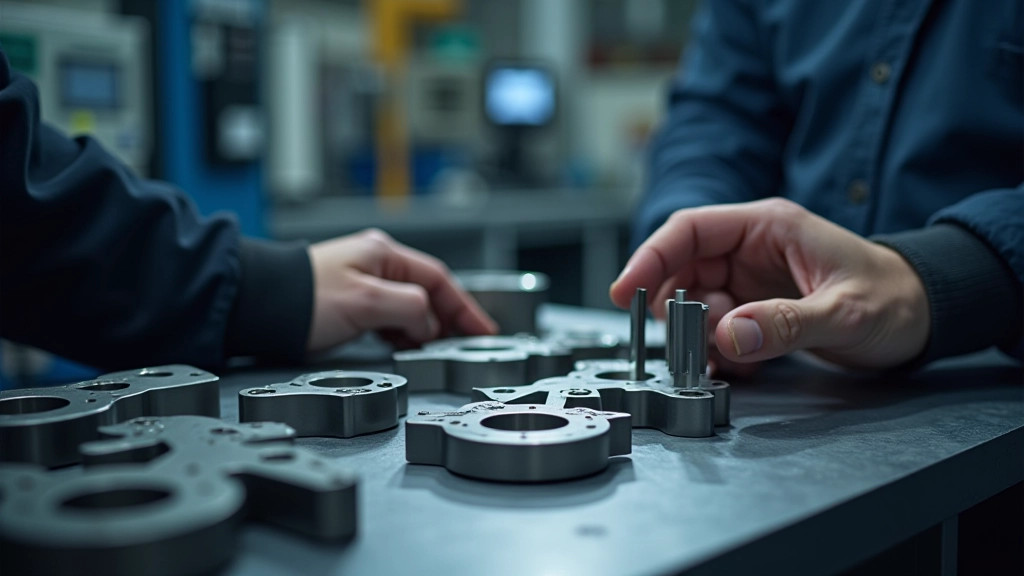
Here's what happens when tolerances get tight: verification becomes critical. With standard tolerances, a basic caliper measurement usually suffices. With tight tolerances, we're talking about dial gauges, coordinate measuring machines, and documented inspection reports.
The cost of verification adds up. It's not just the equipment — it's the time required to set up, measure, and document every critical dimension. This is why you won't want tight tolerances on every single feature. Pick the dimensions that actually matter for your application.
We include dimensional verification on all parts with tolerances tighter than ±0.02 inches. It's standard practice, and it gives you confidence that every part meets specification.
Tolerances aren't arbitrary — they're engineering decisions. Standard tolerances work for most applications and keep costs down. When you need tighter control, you'll know it because your parts won't fit or won't function properly. Don't pay for precision you don't need, but don't compromise on the tolerances that matter.
We're here to help you figure out exactly which tolerances make sense for your project. When you're ready to move from planning to production, you've got specifications that actually work for your design.
Share your project details and we'll recommend the tolerance levels that make sense for your application.
Get in Touch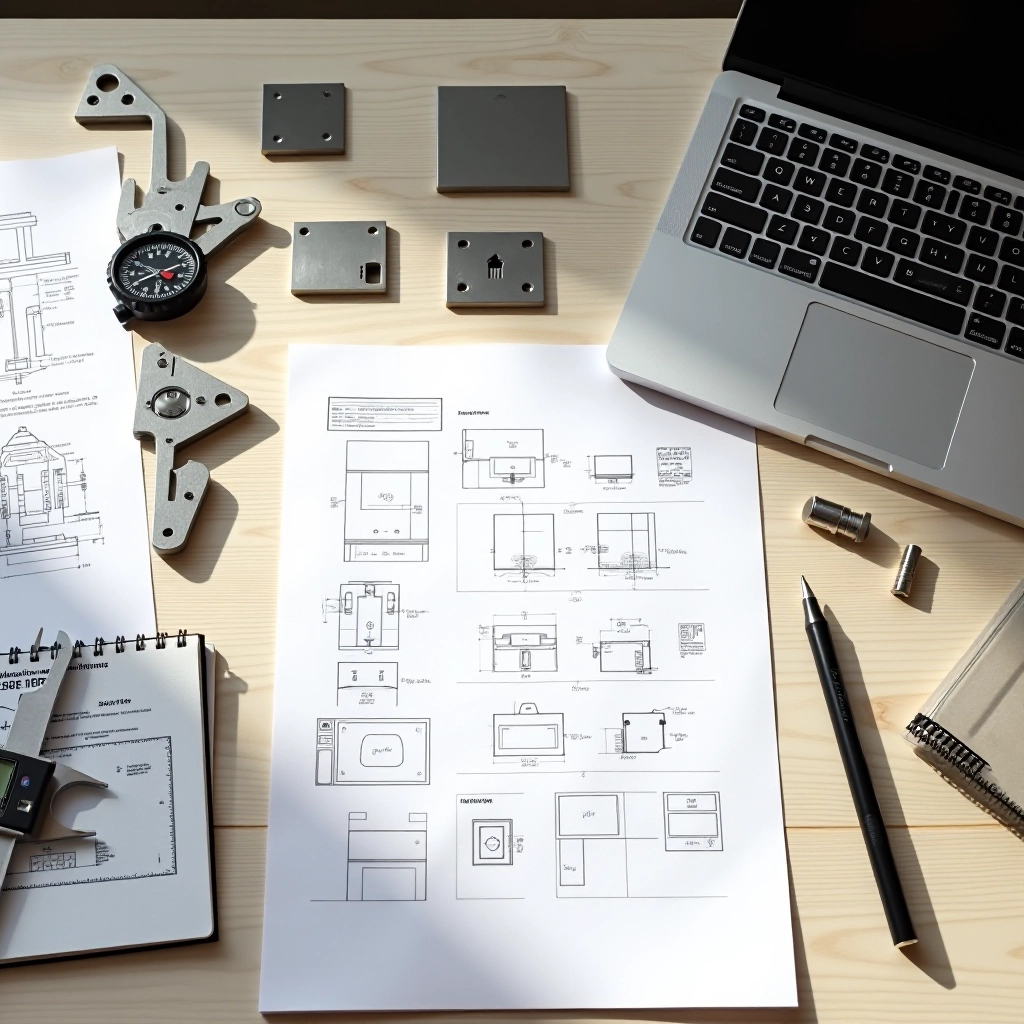
Editorial Team
Written by the altoique editorial team, focused on accurate, practical guidance for CNC precision metal cutting and custom fabrication.
Not all steel is the same. We explain stainless vs. mild steel, hardness ratings, and which grades work best for different applications.
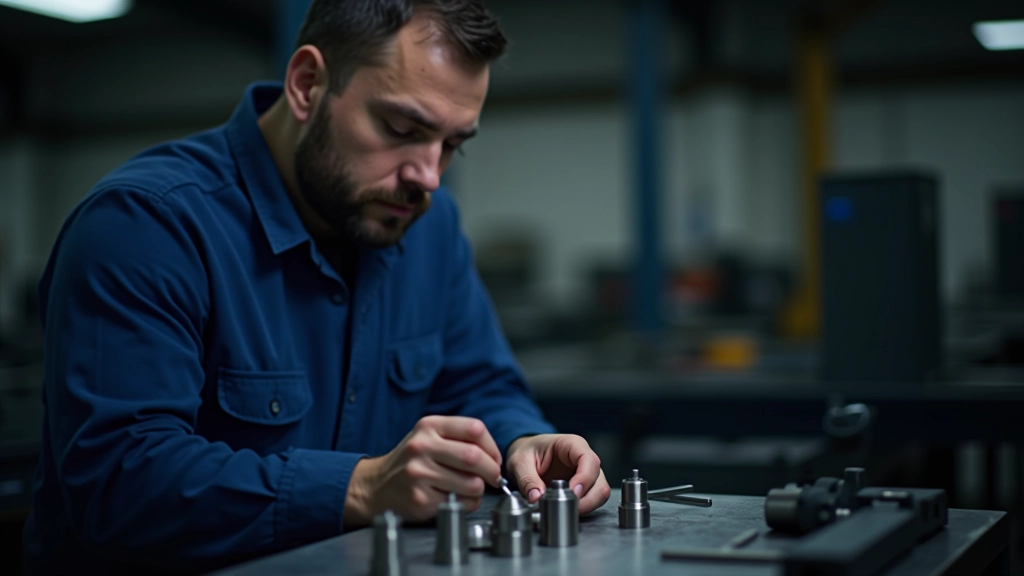
How we verify every part meets specification. The measurement techniques, testing procedures, and quality standards that ensure reliability.
Walk through our process. We take your CAD files, run design checks, set up the machines, and produce parts that work.