
Quality Control in Metal Fabrication
How we verify every part meets specification. The measurement techniques, testing procedures, and documentation that keep parts accurate.
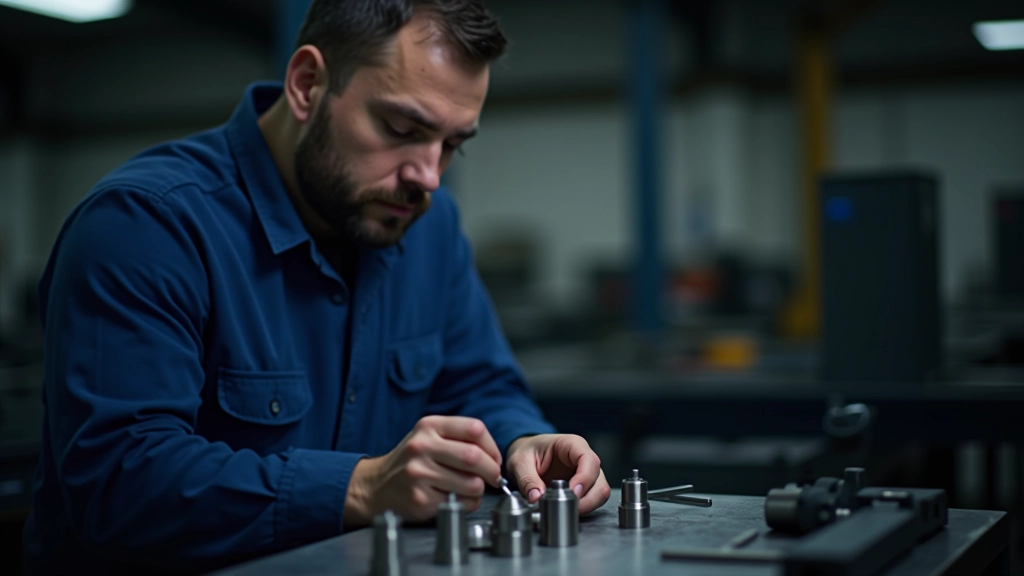
Why Quality Control Matters
Quality control isn't just a checkbox. It's the backbone of precision manufacturing. When you're making metal components for industrial equipment, automotive parts, or medical devices, tolerances matter. A part that's off by 0.05mm can be the difference between a perfect fit and complete failure.
We don't just check parts after they're made — we build quality into every stage. From material inspection to final verification, we're watching for anything that doesn't meet your specifications. And we're documenting everything so you know exactly what you're getting.
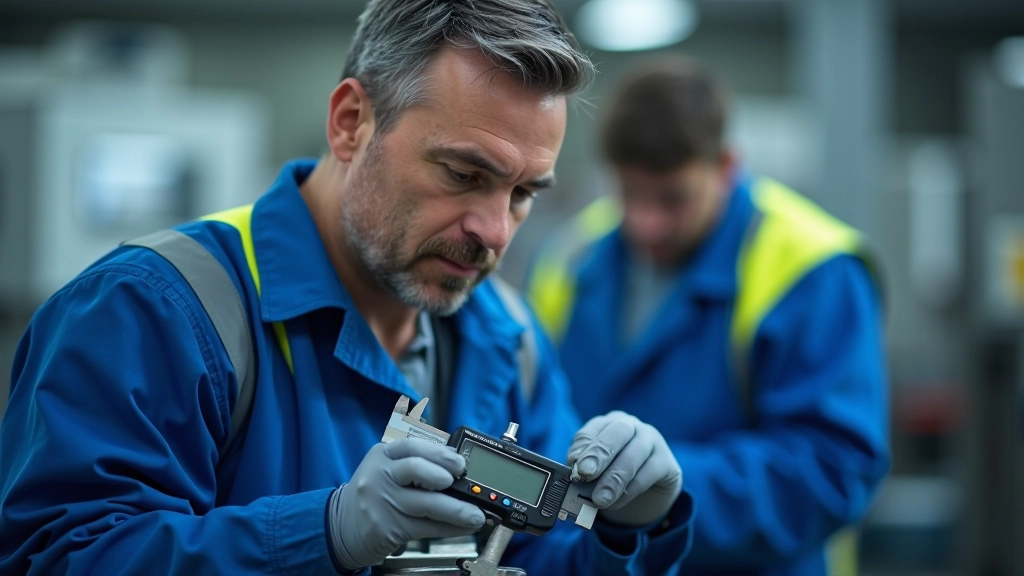
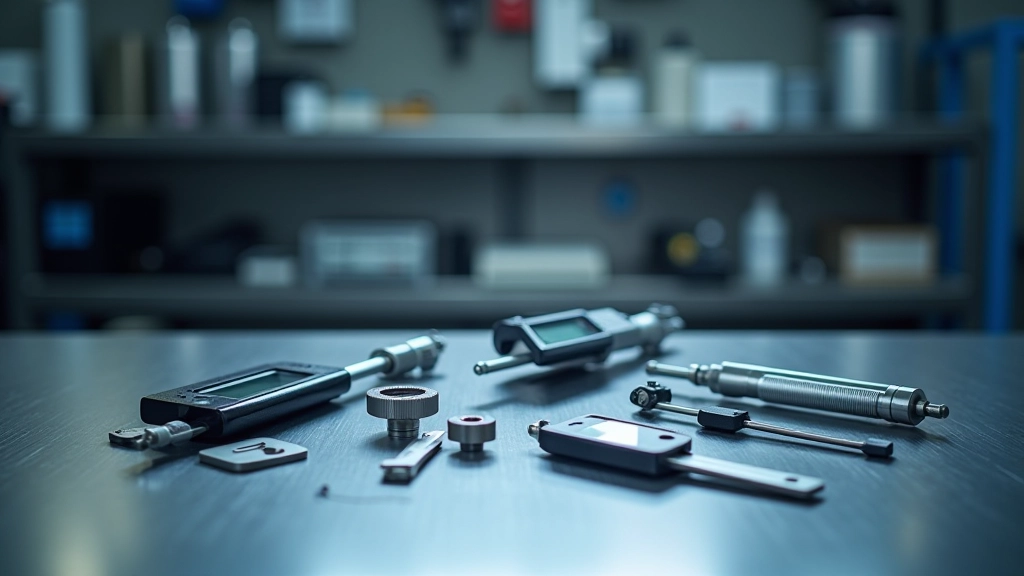
Measurement Techniques We Use
Accuracy starts with the right tools. We're not using basic rulers and analog calipers — we've got the equipment to measure parts to within 0.01mm, sometimes tighter depending on your requirements.
Precise to ±0.02mm. We use these for quick dimensional checks on everything from shaft diameters to wall thickness.
For complex geometries and tight tolerances. The CMM can verify surfaces, holes, and spatial relationships in a single setup.
We measure finish to Ra values. Critical for parts that need to seal, slide, or fit precisely with other components.
Rockwell or Brinell tests depending on material. We verify that your steel is hardened to the right level.

Testing Procedures
We don't just measure dimensions — we test properties. Different materials and applications need different checks.
Tensile testing tells us how much stress a part can handle before it breaks. We pull samples to failure and record the stress-strain curve. If you're making suspension components or pressure vessel parts, you need to know these numbers.
Hardness testing verifies that heat treatment was done right. Brittle failure happens when hardness is too high; plastic deformation happens when it's too low. We find the sweet spot for your application.
And we do all this on samples from the same batch as your parts. If something's wrong, we catch it before your components leave our facility.
Important: This guide is informational. Quality control requirements vary based on industry standards, material type, and application. Always consult with material specifications and industry guidelines (ISO, ASTM, DIN) for your specific needs. We're happy to discuss your exact requirements — get in touch.
Documentation and Traceability
Numbers don't matter if you can't prove them. That's why we document everything.
Every batch gets a quality report. We record material certifications, heat treatment logs, dimensional measurements, and test results. You'll get a certificate showing exactly what we checked and what the results were. If there's a problem years down the line, you've got the data to trace it back.
We keep records for seven years minimum. If you need to verify that a part from 2021 met spec, we can pull those records and show you the measurements, the testing data, and the technician who did the work.

Our Quality Control Process
Here's how it works from start to finish.
Material Verification
Material arrives with certifications. We verify those certs match your purchase order and do spot checks on material properties. No guessing.
In-Process Checks
During machining, we measure parts at key stages. Catch problems early when they're easy to fix, not at the end when the part's already been cut.
Final Inspection
Every part gets checked against your drawing. Dimensions, finish, hardness, anything critical. 100% inspection on tight tolerances.
Testing & Documentation
Sample testing, batch testing, hardness verification — whatever your spec requires. Full documentation included with shipment.
Quality Isn't Optional
When you're buying precision metal components, you're buying reliability. We've invested in the equipment and training to catch problems before they become your problems. Our quality control process isn't about checking boxes — it's about making sure every part that leaves our facility is exactly what you ordered.
Want to know more about our process or discuss specific requirements for your project? We're here to help.
Get in Touch
Author
Altoique Editorial Team
Editorial Team
Written by the altoique editorial team, focused on accurate, practical guidance for CNC precision metal cutting and custom fabrication.
Related Articles
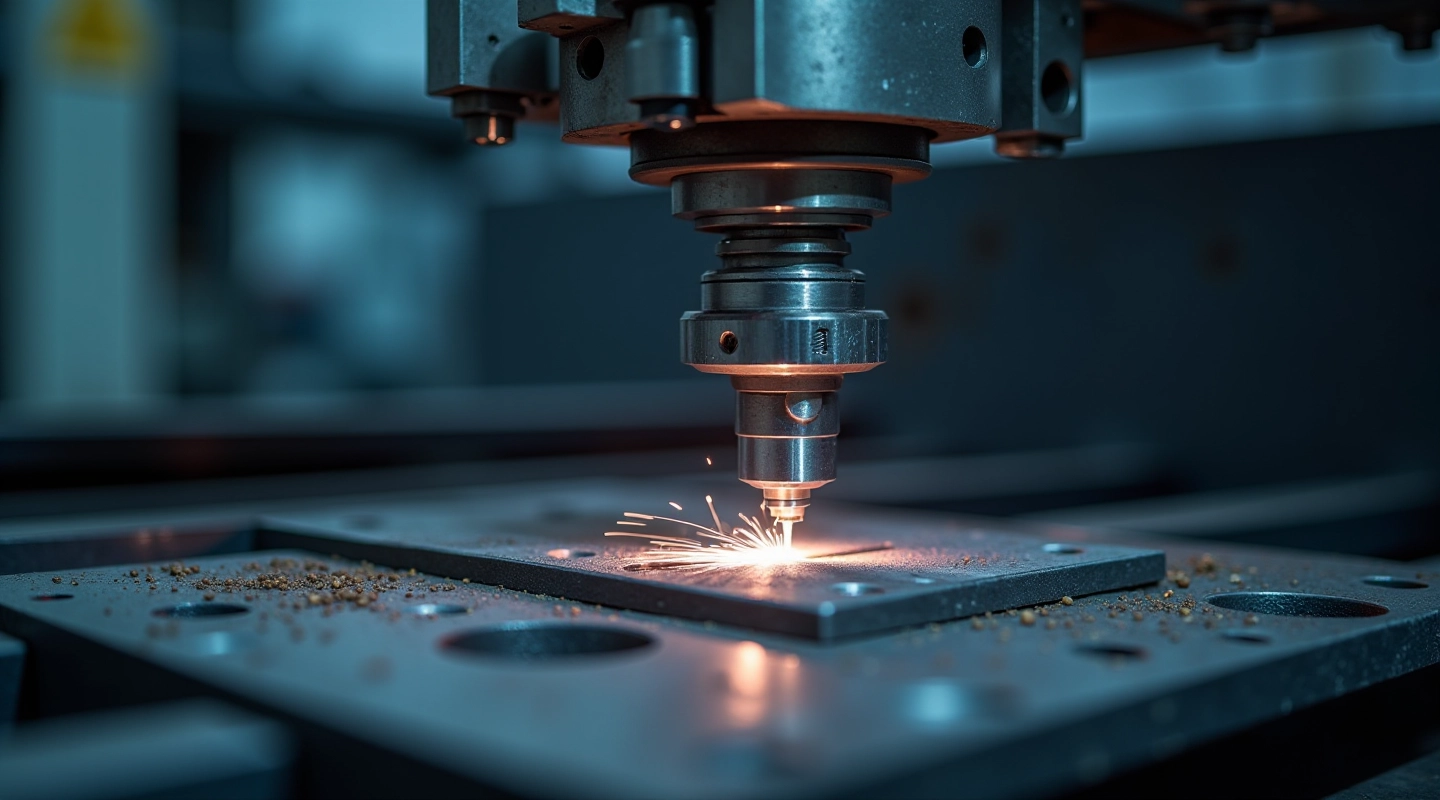
Understanding CNC Cutting Tolerances
Tolerance levels matter. We break down the difference between standard and tight tolerances...
Choosing the Right Steel Grade
Not all steel is the same. We explain stainless vs. mild steel, hardness ratings...

From Design to Production
Walk through our process. We take your CAD files, run design checks, set up...