
From Design to Production
Walk through our process. We take your CAD files, run design checks, set up the machines, and produce parts that fit your specifications exactly.
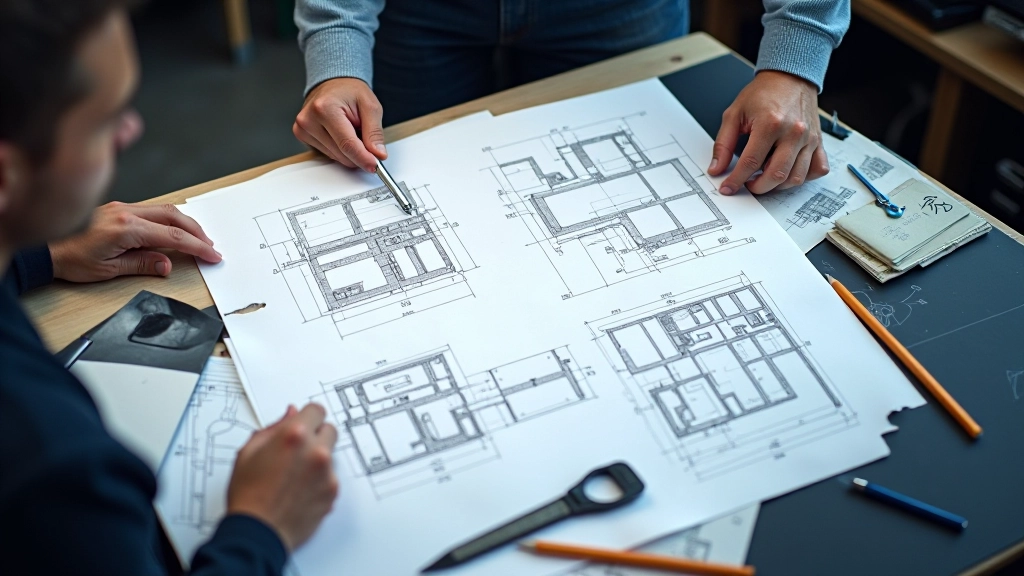
Understanding the Complete Manufacturing Journey
We don't just cut metal. There's a real system behind what we do — from the moment your design arrives to when the finished part ships out the door. Each step matters. Small details in planning save big headaches later.
Our process isn't complicated, but it's thorough. We've refined it over years of working with manufacturers across Prague and beyond. You'll get consistent results, precise tolerances, and parts that actually work the first time. That's not luck — it's process.
Design Review
We check your files for manufacturability before anything gets cut
Setup & Verification
Machines get configured, test cuts run, measurements verified
Production
Full batch runs with real-time monitoring and quality checks
Step 1: Design Review and Feasibility Check
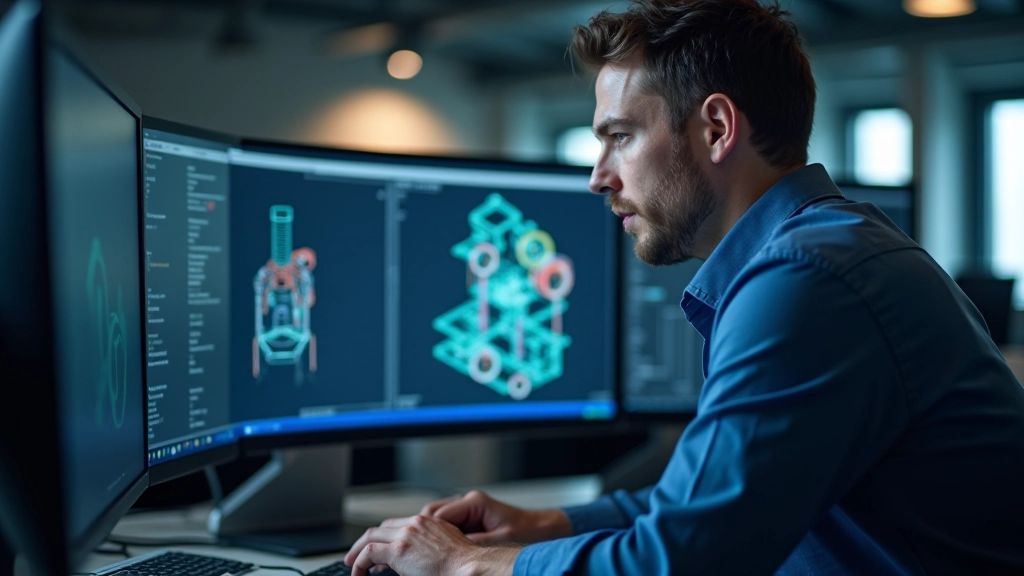
This is where we catch problems before they become expensive. You send us your CAD file — usually DXF, STEP, or IGES format. We load it into our design software and run through a detailed checklist. Wall thickness, corner radii, material selections, tolerance zones. Are there internal features that need special tooling? Will the part need secondary finishing?
We're looking for manufacturability issues early. If something can't be cut efficiently, we'll tell you straight. Sometimes a small design change — moving a hole 2mm or adjusting a radius — makes the difference between a quick job and a complicated one. We've found that honest feedback here saves weeks of back-and-forth later.
- File format verification and integrity check
- Tolerance analysis against material specifications
- Tool path simulation to identify potential issues
- Cost optimization recommendations
Technical Information Note
The information presented here describes our standard manufacturing process and typical best practices for CNC metal cutting. Specific requirements vary by project, material, and application. Always consult with our technical team regarding your particular specifications, material selection, and tolerance requirements. This article is educational — actual production parameters are determined through detailed project assessment.
Step 2: Machine Setup and Test Cuts
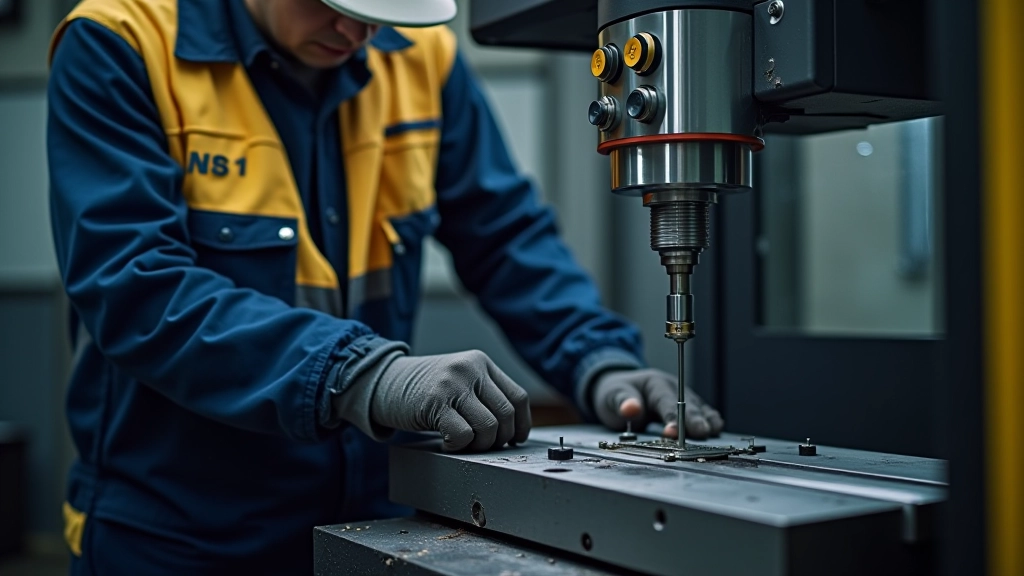
Once we approve the design, the real work starts. Our programmers convert your design into machine code — G-code instructions that tell the CNC exactly what to do. Then we set up the machine with the right tools, clamps, and fixtures for your part. Different jobs need different approaches. A small precision bracket needs different holding than a large structural component.
We always run a test cut first. That sample part gets measured down to the micron. If tolerances are off, we adjust the program. If something doesn't look right, we stop and investigate. There's no rush here — a 30-minute test cut beats running 500 bad parts. Once that test part meets spec, we're ready for production.
Typical tolerance we hold on standard cuts
Setup and verification time per job
Step 3: Full Production Run
Production isn't just hitting start and walking away. Our operators monitor every batch. They check the first few parts off the machine with precision calipers. They listen to the machine sounds — experienced ears catch problems early. We're cutting metal, which means heat, friction, and wear. That's why we don't automate this part away.
For larger orders, we measure samples every 50 parts or so. This catches drift before it becomes a problem. If material hardness varies or tool wear starts affecting dimensions, we adjust feeds and speeds. We'll also do a final 100% visual inspection on every batch — looking for burrs, scratches, or any defects. Parts that don't meet spec don't ship.
Real-Time Monitoring
Continuous observation during cutting cycles with immediate corrective action
In-Process Verification
Periodic sampling and measurement keeps dimensions within specification
Final Inspection
Every batch receives visual and dimensional inspection before packaging
Step 4: Finishing and Quality Assurance
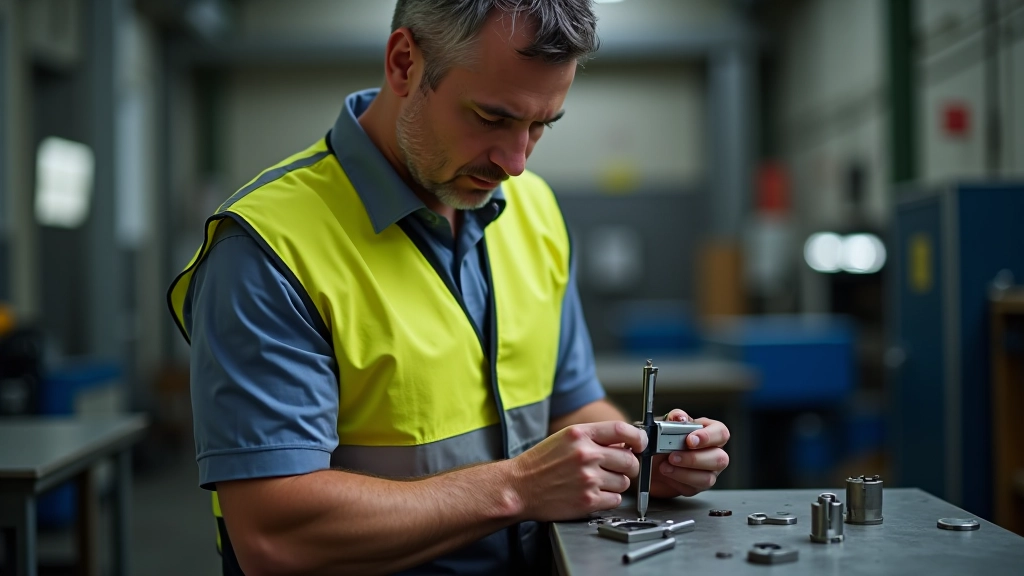
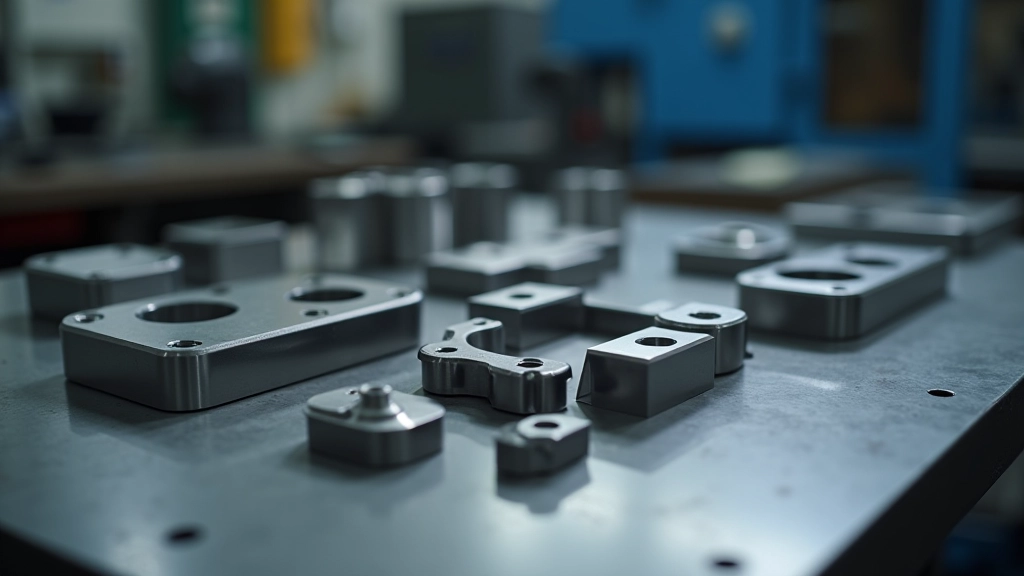
Not every job ends at the CNC. Some parts need deburring — removing those sharp edges created during cutting. Others need passivation if they're stainless steel. We can handle surface finishes, threading, heat treatment, or coating depending on your specs. It's all coordinated so the part arrives exactly as you need it.
Before anything ships, every batch gets documented. We keep records of tool offsets used, cycle times, inspection results, and any issues encountered. That documentation is yours if you need it. And honestly, we've found that this attention to detail is what keeps customers coming back. You're not just getting parts — you're getting confidence that they'll work.
From Idea to Reality
That's our process from start to finish. Design review, setup, production, quality checks, and finishing. It's not flashy, but it works. We've run thousands of parts through this system, and the consistency speaks for itself. Whether you're ordering 10 parts or 10,000, you're getting the same level of attention and precision.
Got a project? We're ready to walk through it with you. Send us your CAD file and we'll give you honest feedback on what's possible, what's efficient, and what'll cost you. That conversation is how good manufacturing relationships start.
Get in Touch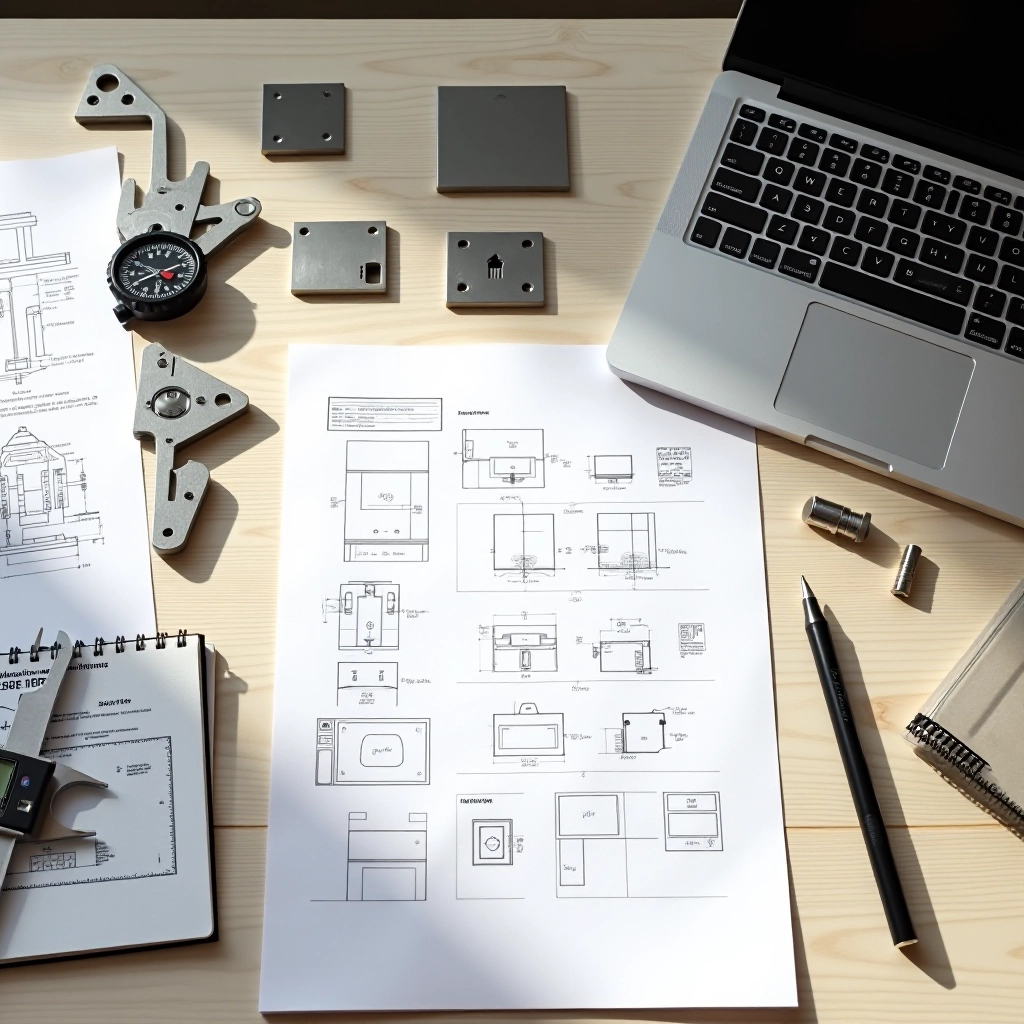
Altoique Editorial Team
Editorial Team
Written by the altoique editorial team, focused on accurate, practical guidance for CNC precision metal cutting and custom fabrication.
Related Articles
Understanding CNC Cutting Tolerances
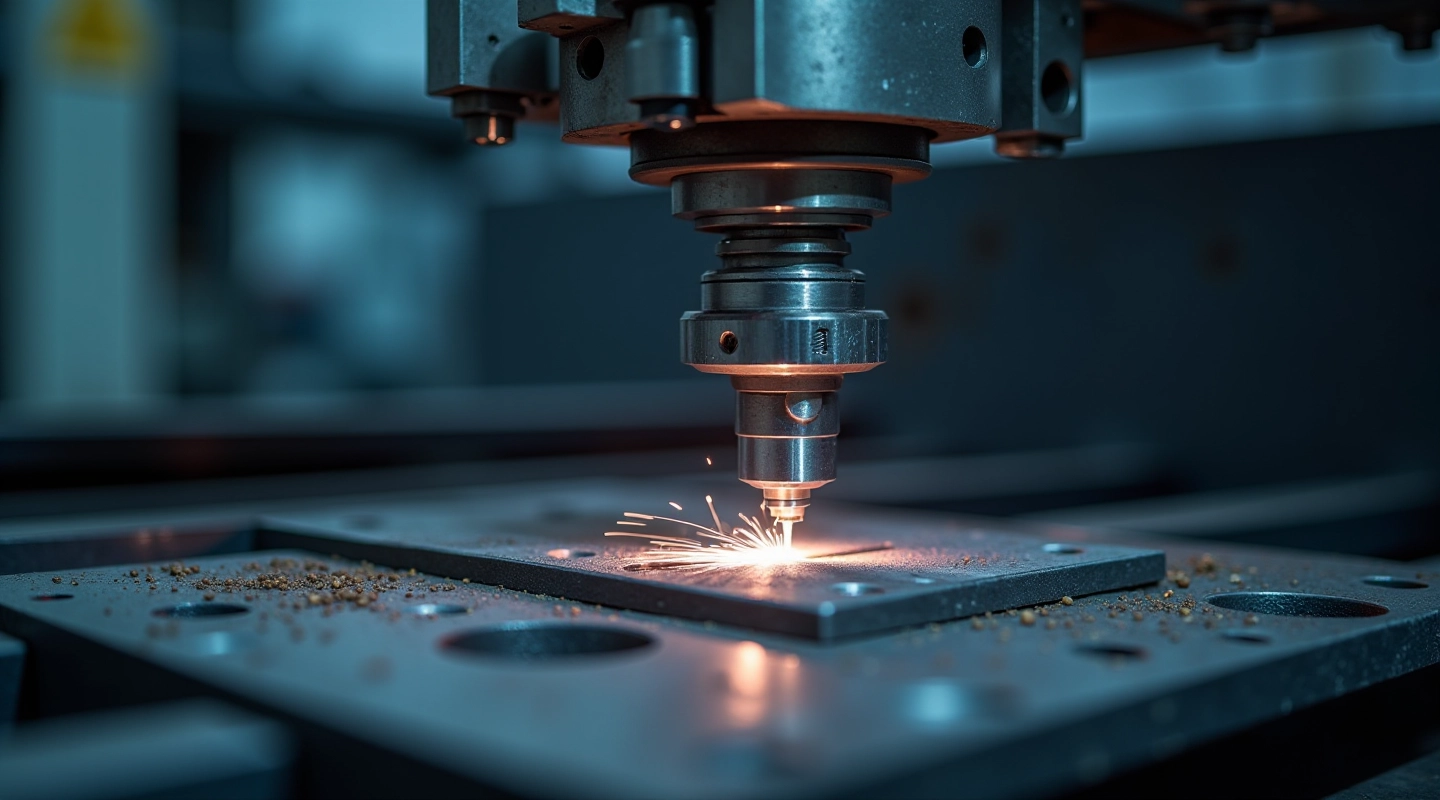
Tolerance levels matter. We break down the difference between standard and tight tolerance work...
Choosing the Right Steel Grade
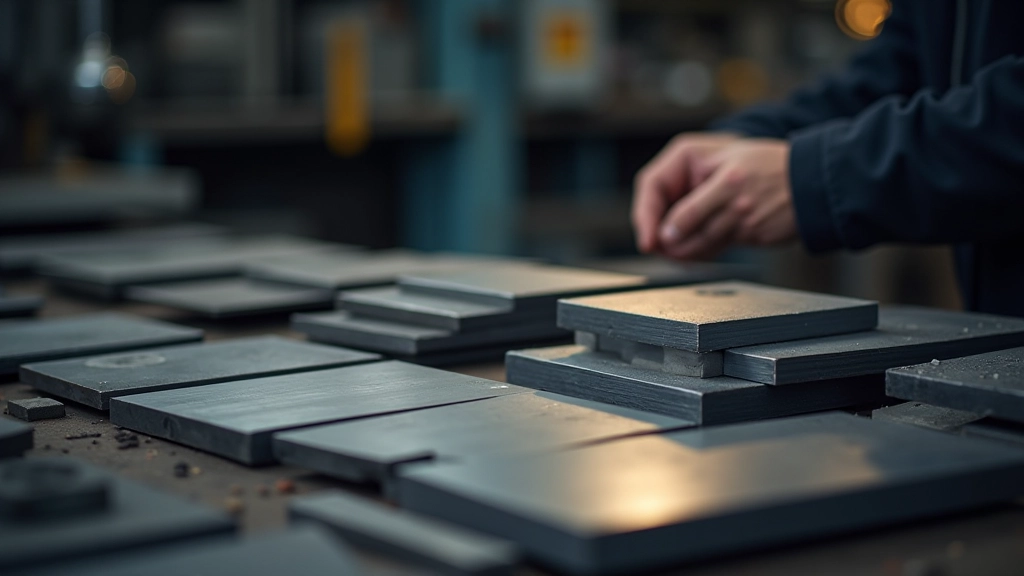
Not all steel is the same. We explain stainless vs. mild steel, hardness ratings...
Quality Control in Metal Fabrication
How we verify every part meets specification. The measurement techniques, testing...