
Choosing the Right Steel Grade
Not all steel is the same. We explain stainless vs. mild steel, hardness ratings, and what actually matters for your specific application.
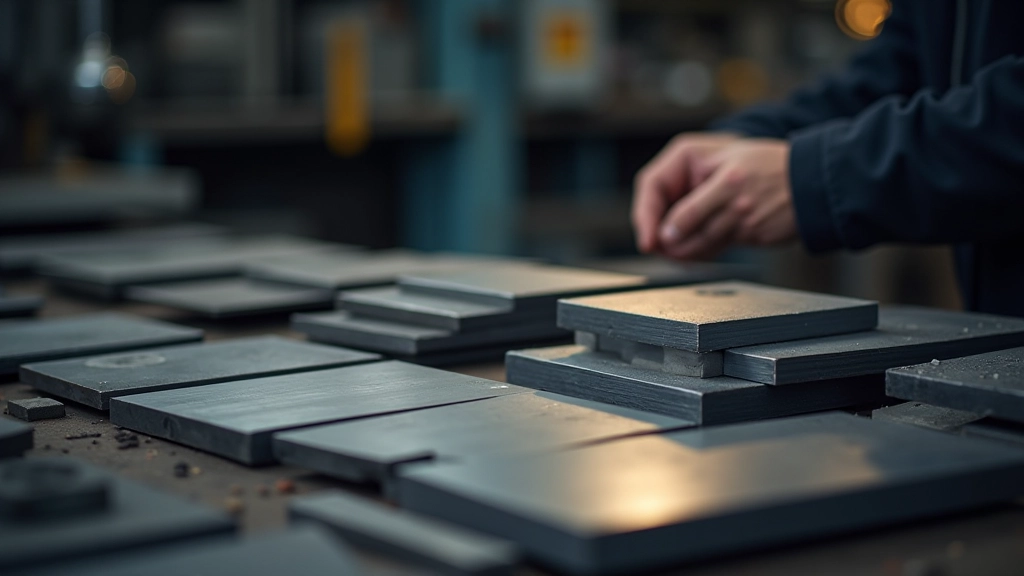
Why Steel Grade Matters
Here's the thing — when you're ordering parts for manufacturing, the steel grade you choose affects everything. Strength, machinability, corrosion resistance, cost. It's the foundation of whether your component performs as expected or fails under load.
We work with clients who sometimes say "just give me steel" without thinking it through. Then they're surprised when their parts rust in six months or can't be machined efficiently. We've learned that taking 10 minutes to discuss steel grades upfront saves time, money, and frustration later.
Mild Steel vs. Stainless Steel
The two most common choices are mild steel and stainless steel. They're fundamentally different.
Mild Steel
Mild steel contains less than 0.3% carbon. It's softer, easier to machine, and significantly cheaper. You'll find it in structural components, brackets, and general-purpose parts where corrosion resistance isn't critical. The trade-off? It rusts quickly without protection. You'd need painting or coating to protect it.
Stainless Steel
Stainless steel has chromium — typically 10-30% — which creates a protective oxide layer. It resists corrosion naturally. You'll see it in marine environments, food processing equipment, and anything exposed to moisture. The cost is higher, and it's tougher to machine. But if corrosion is a concern, stainless is worth the investment.
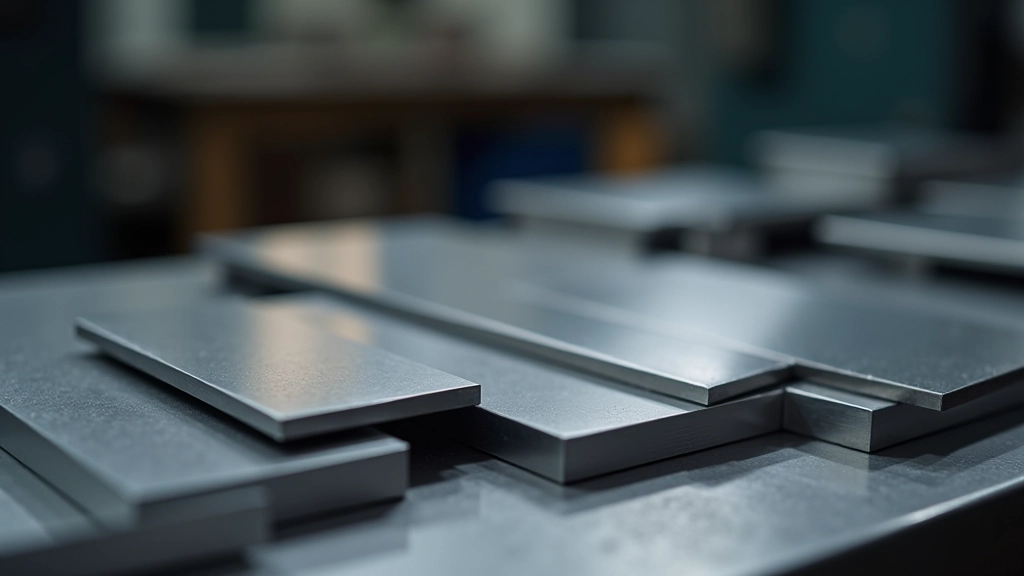
Application-Specific Choice
The "right" steel grade depends entirely on your application. Environmental exposure, mechanical stress, budget constraints, and machinability requirements all play a role. This guide provides general information to support your decision-making. For critical applications or specialized requirements, we recommend consulting with our technical team or a materials engineer to ensure you're selecting the optimal grade for your specific use case.

Understanding Hardness Ratings
When engineers talk about steel grades, they're often referring to hardness — how resistant the material is to deformation. It's measured on scales like Rockwell, Brinell, and Vickers.
Here's what you need to know: harder steel resists wear and deformation but becomes more brittle. It's also more difficult to machine, which increases production time and cost. Softer steel machines easily and is cheaper, but it'll deform under heavy loads.
The sweet spot depends on your part's purpose. A bearing needs hardness to resist wear. A structural bracket might need toughness instead. We've worked on projects where a client insisted on the hardest available steel, only to find their parts couldn't be machined economically. We switched to a medium-hardness grade, saved 30% on production costs, and the parts performed perfectly in their application.
Common Steel Grades and Their Uses
Let's talk specifics. You've probably heard these designations thrown around.
1018 Mild Steel
Low carbon content, highly machinable, affordable. Used for general brackets, fixtures, and non-critical components. Rusts without protection.
4140 Alloy Steel
Contains chromium and molybdenum. Much stronger than mild steel, good wear resistance. Used in machinery components, shafts, and high-stress parts. More expensive and tougher to machine.
303 Stainless Steel
Austenitic stainless with excellent machinability. Corrosion-resistant. Ideal for parts exposed to moisture or requiring a clean finish. Higher cost than mild steel.
316 Stainless Steel
Premium stainless with molybdenum added. Superior corrosion resistance, especially in marine environments. Harder to machine than 303 but worth it for harsh conditions.
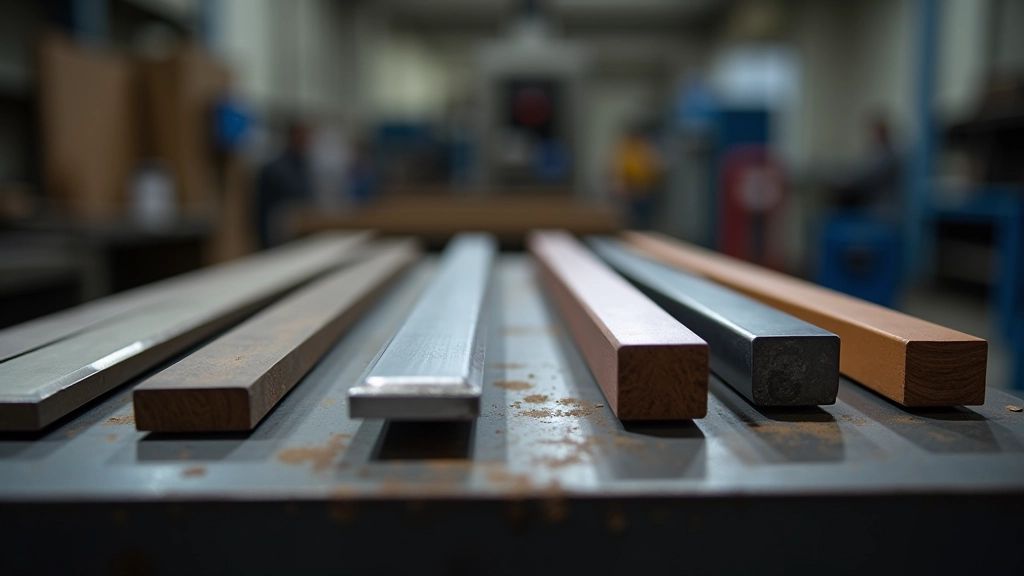
Key Factors in Your Decision
Environment
Will your part be exposed to moisture, chemicals, or extreme temperatures? Corrosion resistance becomes critical. Stainless steel or coated mild steel are your options.
Load Requirements
How much stress will the part endure? High-stress applications need harder, stronger alloys. Light-duty parts can use softer, cheaper materials.
Machinability
Some grades machine like butter, others fight back. Easier machinability means faster production and lower costs. Sometimes it's worth choosing a slightly softer grade to save money.
Budget
Stainless costs 2-4x more than mild steel. Alloy steels fall somewhere in between. Don't overspend on grade when a simpler option works.
Tolerance Precision
Tighter tolerances need more stable materials. Some grades hold precision better than others. Your drawing specs might dictate the grade choice.
Post-Processing
Do you need heat treatment, plating, or coating? Some grades respond better to post-processing. Plan this into your grade selection.
Making Your Choice
Steel grade selection isn't complicated, but it does require thinking about your specific situation. Don't just default to "stainless because it's better" or "mild steel because it's cheap." Match the grade to your application.
Start by asking yourself these questions: Will this part see moisture or corrosion? Does it carry mechanical load? What's my budget? How tight are the tolerances? Do I need fast machining or can I accept longer production time?
Once you've answered those, the right grade usually becomes obvious. And if you're still unsure, that's what we're here for. We've helped countless clients navigate this decision and find the perfect grade that balances performance, cost, and manufacturability. You don't have to guess.
Author
Altoique Editorial Team
Editorial Team
Written by the altoique editorial team, focused on accurate, practical guidance for CNC precision metal cutting and custom fabrication.
Related Articles
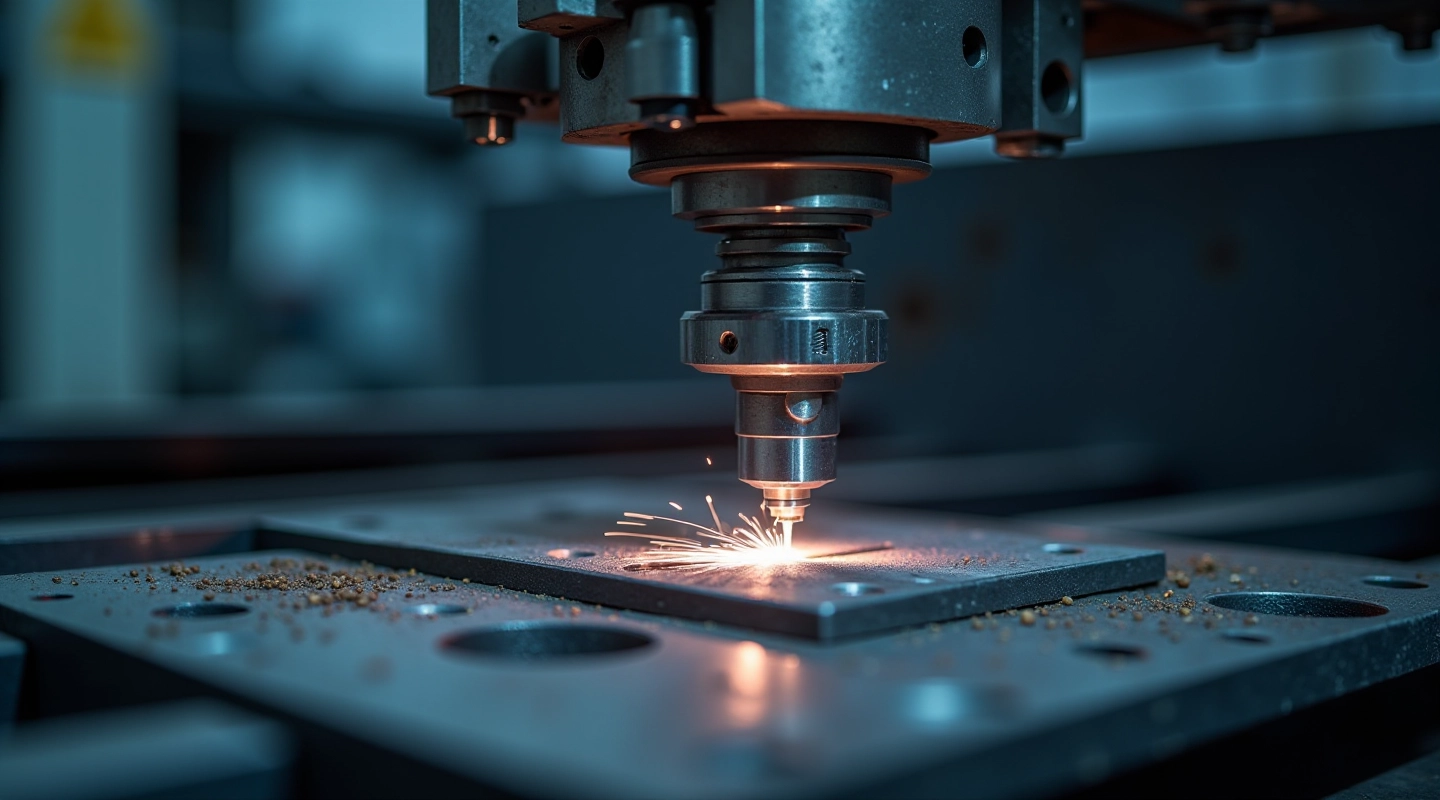
Understanding CNC Cutting Tolerances
Tolerance levels matter. We break down the difference between standard and tight tolerances, and what they cost.
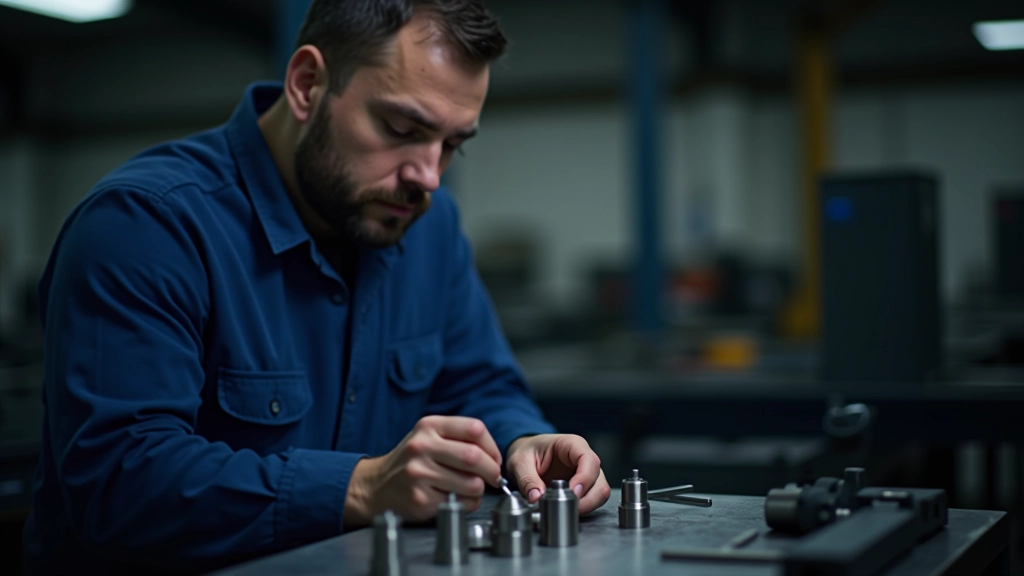
Quality Control in Metal Fabrication
How we verify every part meets specification. The measurement techniques, testing procedures, and acceptance criteria.
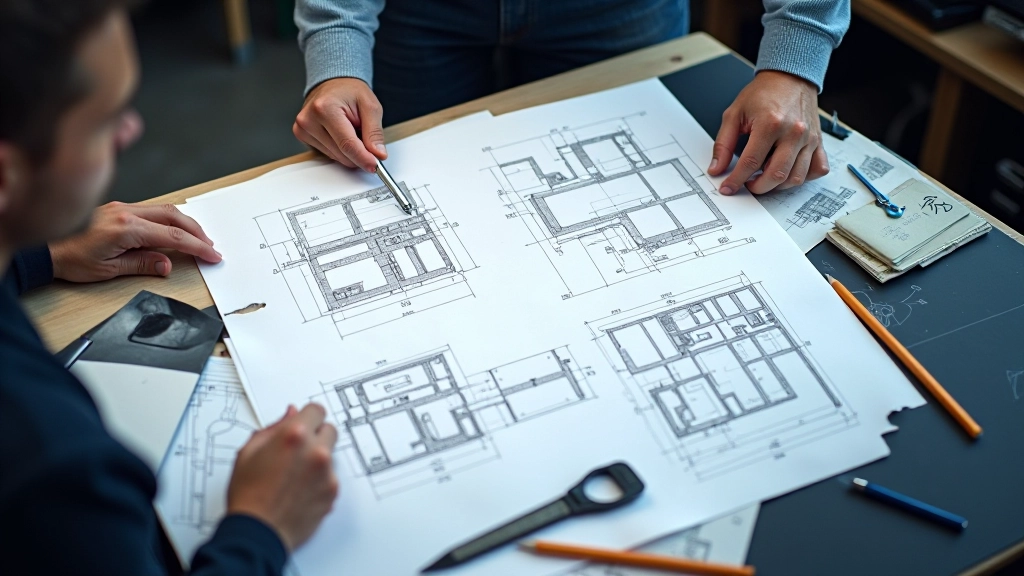
From Design to Production
Walk through our process. We take your CAD files, run design checks, set up tooling, and produce your parts.